
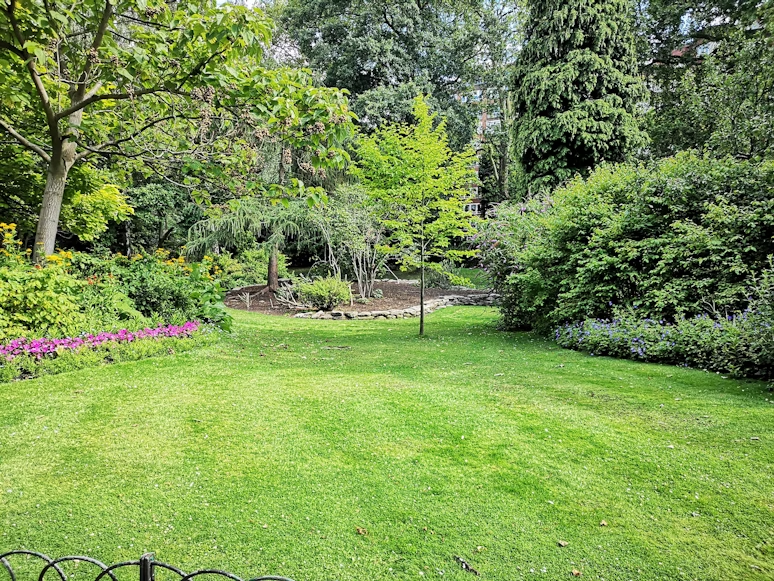
You have dreams of turning your messy backyard into a gorgeous oasis.
But if your yard lacks structure, it can easily become unkempt wilderness that looks like it randomly happened that way.
Well don’t worry, there’s a solution.
Stone features can easily divide up any yard into organized garden zones that look awesome and actually serve a purpose.
You’ll learn how zoning your backyard with hardscape materials is one of the best ways to care for plants while also elevating the overall curb appeal of your property.
What you’re going to learn:
- Why Garden Zones Are Important
- How Using Stone Features Define Garden Areas
- Best Backyard Stone Features For Defining Zones
- Step-By-Step Guide To Planning Zones In Your Yard
- Maintenance Tips For Your Stone Defined Garden Zones
Why Garden Zones Are Important
Lets start with an analogy…
Think about rooms in a house. Every room has its own specific purpose. You don’t sleep in the kitchen. You cook in the kitchen.
Gardens should function the same way.
Without backyard zoning, your yard is just one big open room with plants. It doesn’t have any direction or beauty.
Here’s how separating your yard into zones helps:
Zones separate your yard into different areas based on purpose. Maybe you have an area for entertaining guests. Maybe you have a vegetable garden, or a zone just for sun-loving plants.
The hardscape service market is valued at $98.7 billion and continues to grow rapidly. Investors are clearly noticing the impact that professionally installed hardscape features have on outdoor spaces. By working with a hardscaping company in Las Vegas homeowners can ensure that their backyard stone features not only look beautiful but last for years to come.
But that still doesn’t tell the full story of how beneficial garden zones are. When you use backyard stone features to separate areas of the yard you:
- Keep invasive plants contained
- Improve growing conditions by creating microclimates
- Give your garden lasting structure
How Using Stone Features Define Garden Areas
Have you ever noticed how useless mulch is as a garden border?
It gets kicked everywhere. Before you know it, your mulch “border” is gone.
When you use hardscape materials as borders between planting zones, you don’t have that problem.
Your planting areas become:
Defined
Planting beds have clear borders and separation. Edging gives gardens a polished look and helps separate one area from another.
Contained
Stone borders keep plants from spreading where they shouldn’t. Ever try to remove weeds from between pavers? Good luck. They won’t grow there.
Your garden zones will also stay healthier longer because stone borders allow for improved air circulation which reduces the risk of pests and disease.
This is why incorporating both hardscape and softscaping into your landscape is ideal. The stone gives gardens definition. Plants fill it with life.
Best Backyard Stone Features For Defining Zones
When you’re choosing backyard stone features to act as borders between garden zones, you can’t go wrong with any of these tried and true ideas.
That being said, not all features will fit every space. You’ll need to pick the right stone elements based on the shape of your yard and the function you want each garden zone to serve.
Most effective stone features to use as garden borders:
- Retaining Walls
- Stone Pathways
- Raised Garden Beds
- Stone Edging / Borders
- Patio Areas
A stone retaining wall can be used to create flat garden beds on sloped lots. Pathways can help separate areas of your yard into distinct zones.
Each of these features add structure to your yard. The art is determining which structure compliments the size and layout of your backyard best.
Step-By-Step Guide To Planning Zones In Your Yard
Figuring out how to zone your yard doesn’t have to be complicated. Take a look at your backyard and think about how it’s currently being used.
Here are a few questions you should ask yourself:
- Where does most of the sun hit your yard? Where is the most shade?
- Which areas of your yard get the most foot traffic?
- Where would it make sense to place a seating area?
Once you can answer those questions, your garden zones will start to become more clear.
Sunnier areas are great for flower beds and vegetable gardens. Shade is better for ferns and other ground cover plants.
High traffic areas of the yard are perfect for stone pathways to keep foot traffic separated from planting areas.
According to a survey by Fixr.com, 98% of experts agree that an updated outdoor space has a significant impact on home value. That means investing in backyard stone features is not just about aesthetics. It adds measurable value to a property.
With more than half of Americans working from home these days, don’t forget to plan for a backyard workspace zone too. It’s the perfect place to unwind after a long day at your DIY office.
As you can see, zoning your yard really comes down to asking the right questions. Once you have a better understanding of how your backyard is being used, you can design your garden areas around that.
Maintenance Tips For Your Stone Defined Garden Zones
Maintenance for your stone defined garden zones is pretty simple.
Used wisely, hardscaping materials are some of the lowest maintenance landscaping elements you can use.
Maintenance usually includes:
- Sweeping patios and pathways to prevent debris buildup
- Making sure stone retaining walls aren’t shifting or developing cracks
- Occasionally weeding inbetween stone joints
- Sealing stone surfaces to prevent damage from water and sun
- Trimming back plants growing too close to the stone borders
Stone structures don’t move, warp or require replacing very often. Basically, hardscaping lasts…forever.
Bringing It All Back Together
Defining your garden zones with stone features is one of the easiest things you can do to take your backyard to the next level.
If you remember anything from this article, remember this…
Your garden needs zones.
Zones give your backyard areas of purpose. Stone features like pathways, patio areas and retaining walls create boundaries that define those areas.
Planning your zones before you start buying plants will save you money and time in the long run. And properly maintained hardscaping zones can practically take care of themselves.
Take your backyard from blah to breathtaking with zones defined by durable and attractive hardscaping material.