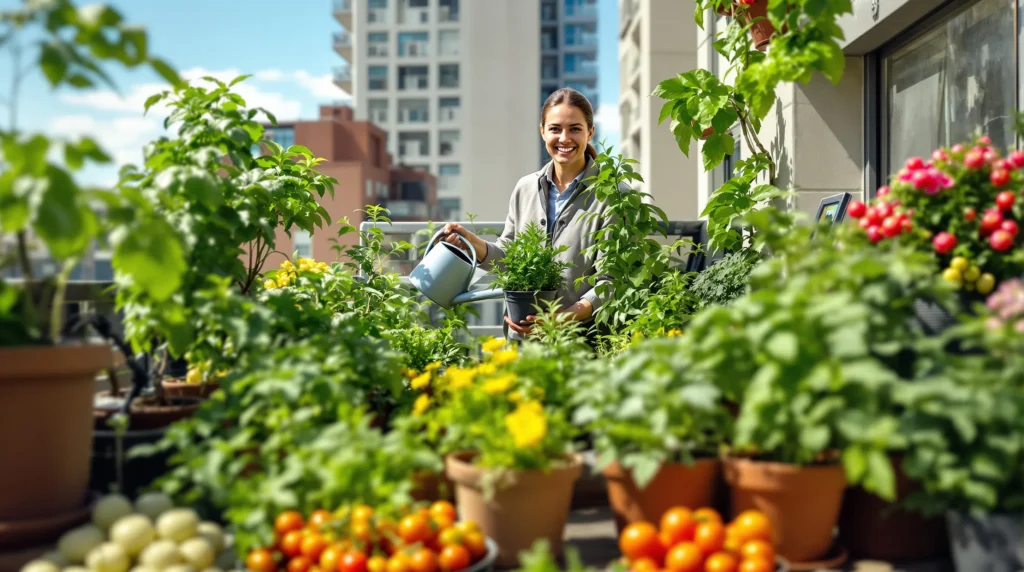
Picture this: You’re standing on your apartment balcony, hands deep in a pot of soil, the city’s hum below you. A tomato plant leans toward the sun, and for the first time, you realize you’re not just surviving in the city—you’re growing something. That’s the magic an urban gardening book can spark. If you’ve ever thought, “I can’t grow anything in this concrete jungle,” you’re not alone. But here’s the part nobody tells you: city gardening isn’t about having acres of land. It’s about using what you have, right where you are.
Why Urban Gardening Books Matter
Let’s break it down. Most people think gardening means a backyard, a shed, and hours of free time. But an urban gardening book flips that idea. It shows you how to turn a fire escape, a windowsill, or even a kitchen counter into a green oasis. These books aren’t just about plants—they’re about hope, resilience, and a little rebellion against gray city life.
When I started, I killed three basil plants in a row. I thought I had a black thumb. But the right urban gardening book taught me to water less, move the pot, and try again. Suddenly, I had pesto on my pasta and a new sense of pride. That’s the transformation these guides offer.
What You’ll Find Inside an Urban Gardening Book
If you’re picturing a dry manual, think again. The best urban gardening books read like a friend sharing secrets over coffee. Here’s what you can expect:
- Step-by-step guides: From seed to harvest, with photos that actually look like your space.
- Real-life stories: People who grew lettuce in shoeboxes or tomatoes on rooftops.
- Problem-solving tips: What to do when your mint wilts or your neighbor’s cat thinks your planter is a litter box.
- Resource lists: Where to buy seeds, the best pots for small spaces, and apps that remind you to water.
Here’s why that matters: You don’t need to guess. You get a roadmap, plus the confidence that comes from knowing others have done it before you.
Who Should Read an Urban Gardening Book?
If you’ve ever looked at a sad, empty balcony and wished for more, this is for you. If you want fresh herbs but have only a windowsill, you’re in the right place. But if you hate dirt under your nails or can’t stand the idea of watering a plant, maybe skip this one. Urban gardening books are for the curious, the hopeful, and anyone who wants to bring a little green into their daily grind.
Here’s a quick checklist. If you say yes to any of these, grab an urban gardening book:
- You want to eat something you grew yourself
- You crave a break from screens and stress
- You love the idea of fresh air and fresh basil
- You want to teach your kids where food comes from
Still with me? Let’s keep going.
Common Mistakes and How Urban Gardening Books Help
I’ll be honest: My first attempt at growing spinach ended with a pot of sad, yellow leaves. I watered too much, then too little. I didn’t know about drainage holes. If you’ve ever made these mistakes, you’re not alone. Urban gardening books don’t just show you what to do—they show you what not to do. They share stories of failed crops, pest disasters, and the joy of finally getting it right.
Here’s the part nobody tells you: Failure is part of the process. Every gardener has killed a plant or two. The difference is, with a good urban gardening book, you learn faster and laugh more.
Unique Insights from the Best Urban Gardening Books
Let’s talk specifics. Did you know you can grow microgreens in seven days on a sunny windowsill? Or that some city gardeners use old coffee cans as planters? The best urban gardening books are packed with these nuggets. They’ll teach you how to compost in a tiny apartment, how to keep pests away with kitchen ingredients, and how to make your own fertilizer from eggshells.
One book I read suggested using a shoe organizer to grow herbs on a door. I tried it. It worked. Now, every time I open my pantry, I get a whiff of fresh cilantro. That’s the kind of creative, practical advice you’ll find.
Actionable Tips from Urban Gardening Books
- Start small. Try one pot of herbs before you go wild with tomatoes and peppers.
- Use what you have. Old mugs, buckets, and even milk cartons can become planters.
- Track sunlight. Spend a day watching where the sun hits your space. Plants need at least six hours of light.
- Water wisely. Most city plants die from too much love—meaning overwatering. Stick your finger in the soil. If it’s dry, water. If not, wait.
- Join a community. Many urban gardening books list online groups or local meetups. You’ll learn faster and have more fun.
Next steps: Pick one tip and try it this week. You’ll be surprised how quickly you see results.
How Urban Gardening Books Change Cities
Here’s something you might not expect: Urban gardening isn’t just about you. When more people grow food in cities, neighborhoods get greener, air gets cleaner, and people connect. Studies show that community gardens reduce crime and boost happiness. One urban gardening book can start a ripple effect—your basil plant might inspire your neighbor, and soon your whole block smells like summer.
If you’ve ever felt powerless in the face of city sprawl, remember this: Every plant is a small act of hope. Urban gardening books give you the tools to make that hope real.
Choosing the Right Urban Gardening Book
Not all books are created equal. Some are packed with glossy photos but light on advice. Others are dense with information but hard to read. Here’s what to look for:
- Clear, step-by-step instructions
- Photos of real city spaces, not just perfect gardens
- Stories from actual urban gardeners
- Practical tips for small spaces and tight budgets
Ask yourself: Does this book make me want to get my hands dirty? If yes, you’ve found a winner.
Final Thoughts: Your Urban Gardening Journey Starts Now
If you’ve read this far, you’re ready. An urban gardening book isn’t just a guide—it’s a ticket to a greener, tastier, more joyful city life. You’ll make mistakes, you’ll learn, and you’ll eat better food. Most of all, you’ll see your city in a new way. So grab a pot, some seeds, and a good book. Your urban garden adventure starts today.