
Picture this: It’s 7 a.m. in the city. You step onto your balcony, coffee in hand, and instead of honking cars and gray concrete, you see tomatoes ripening, bees buzzing, and a neighbor waving from behind a wall of sunflowers. That’s not a fantasy. That’s one of the real urban gardening benefits—your city life, but greener, tastier, and a little more human.
Why Urban Gardening Benefits Matter More Than Ever
Let’s be honest. Most city dwellers crave a patch of green. We’re surrounded by glass, steel, and the constant hum of traffic. But when you grow a single basil plant on your windowsill, you’re not just adding flavor to your pasta. You’re part of a quiet revolution. Urban gardening benefits go way beyond pretty views. They touch your health, your wallet, your community, and even the air you breathe.
Here’s the part nobody tells you
Urban gardening isn’t just for people with big yards or fancy rooftop access. If you’ve ever killed a cactus or thought, “I don’t have a green thumb,” you’re not alone. Most of us start with a dead plant or two. The trick is to keep going. Every sprout is a small win, and every failure is a lesson in patience and hope.
Urban Gardening Benefits for Your Health
Let’s break it down. Growing your own food means you eat more fresh produce. Studies show that people who garden eat up to 40% more fruits and vegetables. That’s not just a stat—it’s a real difference in your energy, skin, and mood. Plus, tending to plants lowers stress. There’s something about digging in the dirt that calms your mind. Even five minutes of watering can lower your blood pressure.
- Physical activity: Hauling soil, planting seeds, and harvesting tomatoes burns calories. It’s exercise that doesn’t feel like a chore.
- Mental health: Watching a seed sprout is a tiny miracle. It gives you something to look forward to, especially on tough days.
- Nutrition: Homegrown veggies have more nutrients. You pick them at their peak, not after a week in a truck.
If you’ve ever felt stuck in a rut, try planting something. The act itself is a promise to the future. That’s one of the most underrated urban gardening benefits.
Saving Money—One Salad at a Time
Here’s why your wallet will thank you. Grocery prices keep climbing, but a packet of seeds costs less than a latte. One tomato plant can yield 10 pounds of fruit. Herbs like mint and basil grow like weeds—except you actually want them. Over a season, you can save hundreds of dollars, especially if you focus on high-value crops.
- Grow what you eat most. Love salads? Lettuce and arugula are easy and fast.
- Start small. Even a few pots on a windowsill can cut your grocery bill.
- Share the bounty. Swap extra veggies with neighbors or friends. It builds community and saves everyone money.
Urban gardening benefits your budget, but it also changes how you see food. You start to notice the taste of a just-picked strawberry. You waste less because you know the effort behind every bite.
Cleaner Air, Cooler Streets
Let’s talk about the city itself. Plants act like tiny air filters. They suck up carbon dioxide and pump out oxygen. Rooftop gardens can lower building temperatures by up to 5 degrees. That means less air conditioning, lower energy bills, and fewer heat waves. Even a single balcony garden can make a difference.
- Plants trap dust and pollutants, making the air cleaner.
- Green spaces reduce the “urban heat island” effect. Cities stay cooler, especially in summer.
- Gardens attract pollinators—bees, butterflies, and birds. That’s good for the whole ecosystem.
If you’ve ever walked past a wall of ivy and felt a cool breeze, you’ve experienced this firsthand. Urban gardening benefits everyone, even people who never pick up a trowel.
Building Community, One Plant at a Time
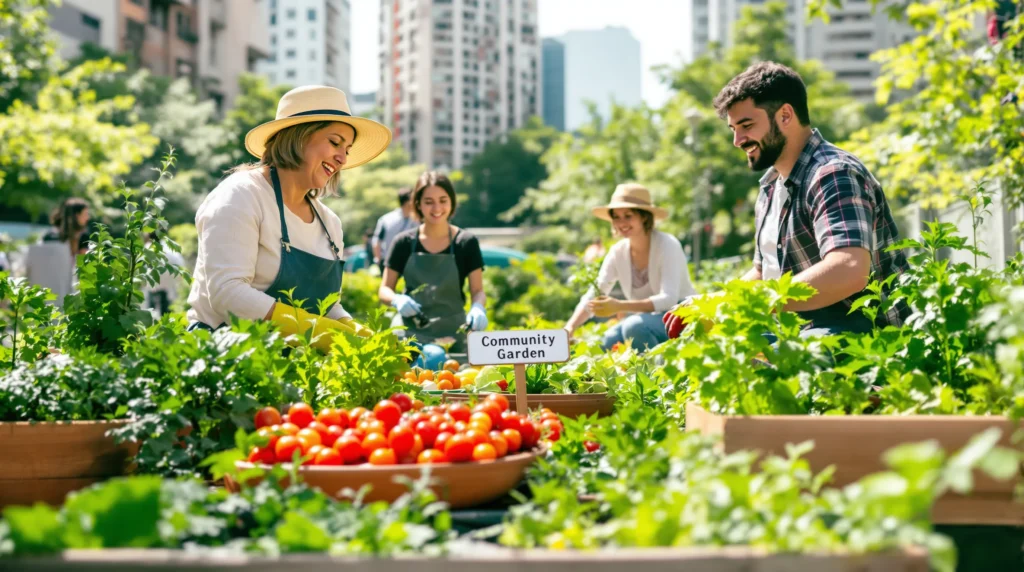
Here’s something you can’t buy at the store: connection. Community gardens bring people together. You meet neighbors you’d never talk to otherwise. You swap tips, seeds, and stories. In some cities, community gardens have cut crime rates and boosted property values. But the real magic is in the friendships that grow alongside the tomatoes.
- Shared gardens teach kids where food comes from.
- They give seniors a reason to get outside and stay active.
- They create safe, welcoming spaces in neighborhoods that need them most.
If you’ve ever felt lonely in a crowd, try joining a local garden. You’ll find people who care about the same things you do. That’s one of the most powerful urban gardening benefits—belonging.
Who Should Try Urban Gardening?
Let’s be real. Urban gardening isn’t for everyone. If you hate dirt, bugs, or waiting for things to grow, you might struggle. But if you crave fresh food, a sense of purpose, or a break from screens, it’s worth a shot. Start with something easy—herbs, lettuce, or even microgreens. You don’t need fancy tools or a big space. A sunny windowsill is enough.
Here’s a quick checklist:
- You want to eat better and save money
- You’re curious about where your food comes from
- You want to meet new people or connect with neighbors
- You’re looking for a hobby that’s good for your body and mind
If you nodded at any of those, urban gardening benefits you. If not, that’s okay. There are other ways to make city life greener.
Actionable Tips to Get Started
Ready to dig in? Here’s how to start, even if you’ve never grown a thing:
- Pick your spot. Windowsill, balcony, rooftop, or shared garden plot.
- Start small. One or two pots is enough. Herbs are forgiving and fast-growing.
- Use good soil. It makes all the difference. Ask at a local nursery or garden center.
- Water regularly, but don’t drown your plants. Most need a drink when the top inch of soil feels dry.
- Learn as you go. Every plant teaches you something new. Don’t stress about mistakes.
Here’s the secret: Nobody gets it perfect the first time. Every gardener has killed a plant or two. The real urban gardening benefits come from sticking with it, learning, and sharing what you grow.
Final Thoughts: The Real Payoff
Urban gardening benefits aren’t just about food or flowers. They’re about hope, resilience, and the small joys that make city life better. If you’ve ever wanted to feel more at home in your city, start with a seed. Watch what happens. You might be surprised by how much you grow, too.