
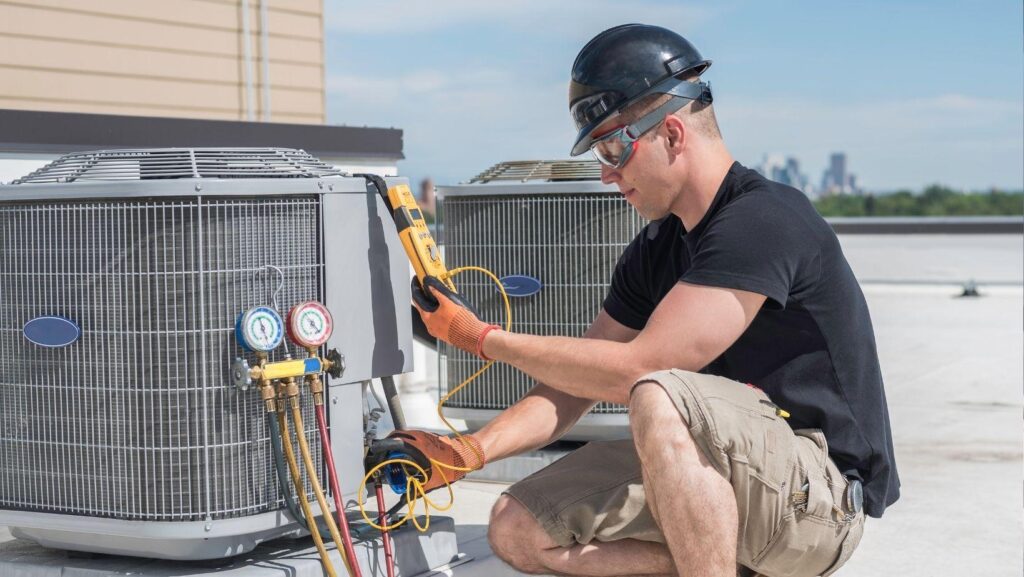
A commercial HVAC system rarely fails all at once. It usually wears down through small losses that go unnoticed: restricted airflow, dirty coils, loose electrical connections, weak lubrication, short cycling, and controls that drift out of range. For property managers and building owners, the real cost is not only the repair invoice. It is tenant discomfort, emergency scheduling, higher utility use, and capital equipment that reaches replacement age too soon. Regular HVAC service turns that pattern around by keeping stress off the system before wear becomes permanent damage.
Service Turns Wear Into Manageable Maintenance
Early Attention Protects Long-Term Performance
Every HVAC system has moving parts, heat-transfer surfaces, controls, motors, belts, bearings, drains, filters, and safety devices that require regular attention. When service is skipped, the equipment still runs, but it usually runs harder than it should. A rooftop unit with clogged filters may maintain the set temperature for a while, yet the blower motor is under more strain each hour. A condenser coil coated with debris may still cool the building, but the compressor has to work against higher pressure. That hidden strain is what shortens system life.
Small Problems Become Expensive System Stress
The main value of routine service is that it catches mechanical decline while it is still manageable. A loose belt, weak capacitor, dirty flame sensor, or blocked drain line may look minor during a maintenance visit, but each one can trigger larger failures when ignored. Many building owners rely on HVAC service providers in Peoria to identify those early signs before equipment damage spreads across motors, compressors, burners, and control boards. That approach protects budgets because planned service is easier to schedule than urgent repairs during heavy heating or cooling demand.
Clean Components Reduce Operating Strain
Cleanliness plays a direct role in equipment lifespan. HVAC systems depend on airflow and heat transfer, and both suffer when filters, coils, fans, and cabinet interiors collect dust or debris. A dirty evaporator coil reduces cooling efficiency and may cause the system to run longer cycles. A blocked condenser coil traps heat outside the building, forcing the compressor to operate under tougher conditions. Over time, that extra workload can lead to overheating, electrical stress, and premature part failure.
Regular service keeps these surfaces clear enough for the system to operate as designed. Technicians clean coils, check filter condition, inspect blower assemblies, and confirm that air is moving properly through the equipment. For commercial properties, this matters because even a small decline in airflow can affect multiple rooms, floors, or tenant spaces. Clean components do not just improve comfort; they reduce the daily mechanical burden that slowly ages the system.
Electrical Checks Prevent Hidden Damage
Electrical problems are often quiet until they become serious. Loose connections, worn contactors, pitted relays, failing capacitors, and voltage irregularities can all place stress on HVAC components. Motors may struggle to start. Compressors may draw more current than normal. Control boards may receive inconsistent signals. These issues may not create an obvious comfort complaint right away, but they can shorten the service life of expensive parts.
Routine HVAC service includes electrical inspection and testing that helps reveal these weak points. Tightening connections, checking amperage, measuring voltage, and testing start components can prevent heat buildup and equipment strain. In larger buildings, electrical reliability is especially important because HVAC units often run for long hours under changing load conditions. When electrical components are kept within proper operating range, the system has a better chance of reaching its intended lifespan.
Lubrication Limits Friction And Wear
Friction is one of the simplest causes of equipment aging. Motors, bearings, shafts, and fan assemblies can wear faster when lubrication is poor or components fall out of alignment. A fan motor that runs dry or a bearing that begins to drag can increase energy use and place added stress on connected parts. Left alone, that wear can turn a minor service item into a major replacement.
Regular maintenance reduces that risk by checking moving components before they deteriorate. Lubrication, belt adjustment, pulley inspection, and bearing evaluation help the system operate with less resistance. This is not glamorous work, but it is the kind of work that extends equipment life in practical terms. Less friction means less heat, less vibration, and fewer conditions that lead to mechanical failure.
Calibration Keeps Systems From Overworking
Controls have a major effect on HVAC lifespan. Thermostats, sensors, economizers, dampers, zoning controls, and building automation settings all influence how often equipment starts, stops, and runs. When controls drift out of calibration, the system may cycle too often, run longer than needed, or fight against other building systems. That can create uneven comfort and unnecessary wear.
Regular service helps keep controls accurate. Technicians can check sensor readings, review setpoints, test dampers, and confirm that heating and cooling stages respond correctly. For property managers, this is a major advantage because many comfort complaints begin with control issues rather than total equipment failure. Proper calibration reduces wasteful operation and keeps the system from aging through constant unnecessary cycling.
Drainage Issues Need Regular Attention
Condensate drainage is easy to overlook until water appears where it should not. Cooling systems remove moisture from indoor air, and that moisture has to drain away properly. If drain pans, traps, or lines become clogged, water can back up into equipment cabinets, ceilings, walls, or occupied spaces. Moisture near HVAC components can also encourage corrosion, odors, and microbial growth.
Routine service helps prevent these issues by clearing drains, inspecting pans, checking traps, and confirming that water leaves the system correctly. This protects both the HVAC unit and the building around it. In commercial settings, drainage problems can disrupt tenants and create avoidable repair costs outside the mechanical room. Keeping condensate systems clean is a simple step that supports longer equipment life and better property conditions.
Routine Service Extends Useful Equipment Life
No maintenance program can make HVAC equipment last forever, but regular service can help it reach more of its intended service life. The difference often comes down to stress. Clean coils reduce compressor strain. Proper airflow protects motors and heat exchangers. Electrical testing prevents overheating and hard starts. Lubrication reduces friction. Control calibration prevents unnecessary cycling. Each service action removes one source of wear from the system.
For property managers and building owners, that adds up to better financial control. Equipment lasts longer, emergency calls become less frequent, comfort becomes more predictable, and replacement decisions can be planned instead of rushed. Regular HVAC service is not just a maintenance habit. It is a practical asset-management strategy that protects one of the most expensive systems in the building.