
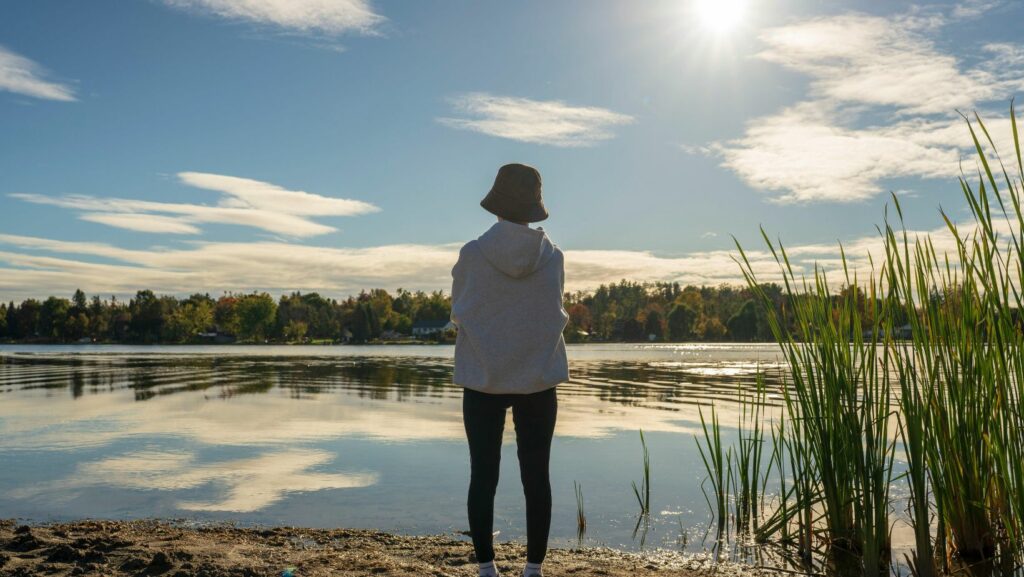
Sustainable living is often framed as something that requires constant effort, strict discipline, and immediate lifestyle changes. Many people begin with genuine motivation, but over time they feel overwhelmed by rules, expectations, and the pressure to “do it all right.” Instead of feeling supported, sustainability can start to feel stressful.
In reality, sustainable living works best when it feels calm, flexible, and aligned with real life. Gentle systems and realistic habits allow people to stay consistent without burning out. Sustainable progress does not need urgency or perfection it needs patience, clarity, and support.
This is where a calmer approach to sustainability makes a meaningful difference.
Why Sustainable Living Often Leads to Burnout
One of the biggest challenges with sustainable living today is the pressure to change everything at once. People are encouraged to overhaul their routines, eliminate waste overnight, or follow rigid eco-friendly standards. While well-intentioned, this approach can overwhelm the nervous system and make consistency difficult.
Sustainable living habits should be adaptable. When expectations are too high, people experience guilt for not doing “enough.” Over time, this emotional pressure leads to burnout and disengagement.
Another challenge is decision fatigue. With so much advice available, people struggle to decide which habits actually matter for them. A calm, intentional approach simplifies sustainability by focusing on small, repeatable actions that fit naturally into daily life.
The Calm Progress Approach to Sustainable Living
Calm Progress sustainable living is rooted in the idea that long-term change happens through gentle systems, not force. Instead of pushing people toward perfection, the focus is on building habits that feel supportive, realistic, and emotionally sustainable.
Calm Progress encourages progress at a pace that respects personal capacity. Habits are not measured by speed or intensity but by consistency over time. This approach allows people to stay engaged without feeling pressured or overwhelmed.
By prioritizing calm systems over rigid goals, sustainability becomes something people can return to even after busy or difficult periods without guilt.
Gentle Sustainable Habits for Everyday Life
Sustainable living does not need to be complicated. Small, everyday habits can make a meaningful impact when they are repeated consistently.
One example is creating a simple, mindful consumption habit. Instead of trying to eliminate all waste, someone might start by choosing one reusable item such as a water bottle or shopping bag and focus only on that change for a few weeks. This removes pressure while still encouraging awareness.
Another gentle habit is planning low-energy sustainability days. On days when energy is limited, sustainability might look like cooking a simple meal at home or choosing rest over consumption. These choices support both personal well-being and sustainable living without adding stress.
These kinds of habits work because they honor real life rather than fighting against it.
How Calm Progress Supports Sustainable Habits Without Pressure
Sustainable routines are easier to maintain when people have supportive tools rather than strict rules. Calm Progress focuses on providing resources that help individuals organize their habits with clarity and compassion.
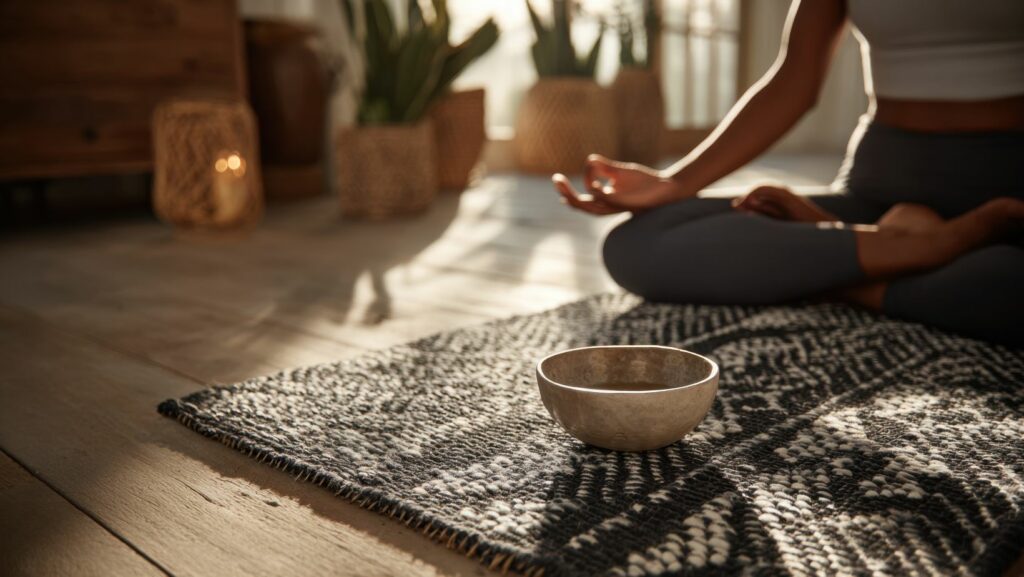
Tools such as digital planners, habit trackers, and reflective systems help people observe patterns instead of judging outcomes. Rather than highlighting what was missed, these tools encourage awareness of what is working.
By using mindful sustainability tools, people can reduce decision fatigue and stay connected to their goals in a low-pressure way. This approach supports sustainable living by making habits feel manageable and emotionally safe.
Instead of pushing productivity or urgency, Calm Progress supports steady, intentional progress that adapts to changing needs.
Calm Systems and Long-Term Sustainability
Long-term sustainability depends on emotional sustainability. When routines feel heavy, people naturally step away from them. Calm systems allow flexibility, making it easier to continue even during challenging periods.
Mindful productivity acknowledges that energy levels fluctuate. Some days allow for more effort, while others require rest. Sustainable systems work with these fluctuations rather than ignoring them.
This balance supports both mental well-being and environmental responsibility. Sustainable living becomes integrated into daily life rather than added as another demand.
Sustainable Living That Feels Supportive
Sustainable living should enhance quality of life, not diminish it. When habits are aligned with personal values and capacity, they become easier to maintain.
A calm approach removes comparison and urgency. Instead of asking, “Am I doing enough?” people can ask, “What feels sustainable for me right now?” This shift makes sustainability more personal and more lasting.
By choosing systems that support calm progress, sustainable living becomes something people can grow into without burnout.
Conclusion
Sustainable living does not require perfection, speed, or constant effort. It requires thoughtful systems, realistic habits, and patience. Calm approaches allow sustainability to develop naturally over time.
By focusing on consistency rather than pressure, individuals can build habits that last. Calm systems support long-term sustainable growth by honoring both environmental responsibility and personal well-being.
Sustainability becomes most powerful when it feels calm, supportive, and deeply human.