
Out here, shaping land means working smart – using what nature gives without wearing it out. People tending yards or caring for buildings now want methods that skip excess, save every drop of water, leave little behind. Some turn to old things given new roles, tough builds doing double duty where plants grow. Picture a space built once but living many purposes, needing only quiet care later on. Looks matter, yes – but so does lasting through seasons with almost nothing added.
Resource Efficient Materials
Old metal bins, once bound for scrap heaps, now hold soil in backyard gardens. Instead of vanishing into dumps, worn farm tools take shape as artful yard features. These shifts cut down on fresh production needs across towns and cities. Long-lasting stuff gets another turn when imagination guides its reuse. Useful items stay in circulation, skipping the fate of buried waste.
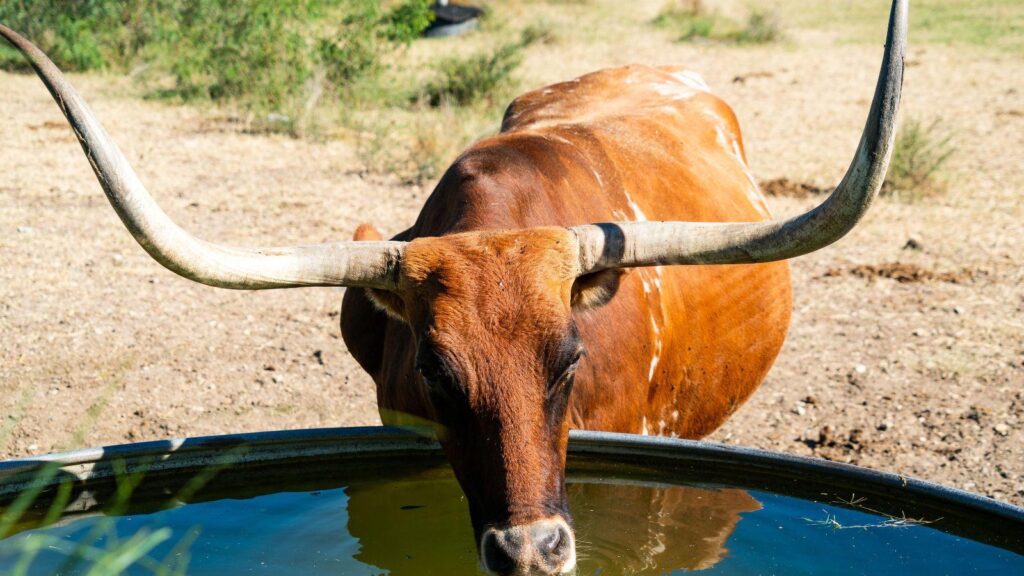
Out in the open, cattle troughs show up often in yard designs thanks to how tough they are. Not only do they hold plants off the ground, but they also add visual interest or catch rainwater when needed. Built to last, these tubs handle sun, frost, and downpours without falling apart – ideal for gardens meant to grow over years, not just seasons.
Improved Water Management
Good landscapes handle rain just right. When yards hold onto runoff instead of losing it, nearby sources stay fuller longer. Staying hydrated without help from hoses keeps greenery strong when skies stay clear too long. Smart setups make sure every drop counts by slowing down flow and spreading it where needed.
Up high, planted beds help steer water right to thirsty roots. Pots tucked into gardens often drain well – yet still hold onto dampness plants need. Because of this, roots grow strong without drowning in soggy soil. Less runoff means every drop counts from spring through fall.
Help With Growing Food at Home
Fresh fruit, veggies, and herbs usually grow in sustainable yard setups. When yards include food plants, spaces get used more fully instead of staying just decorative. Homeowners rely less on store-bought items shipped from far away. Growing edibles blends usefulness with looks outside. Gardens feed people while fitting nicely into outdoor areas.
Soil gets a boost when planted above ground level. Better roots take hold where earth is shaped just right for certain crops. Growing things sit higher, making them simpler to watch over. Fewer invaders creep in when beds stand tall. Less poison ends up on leaves since problems show faster. Plants win when care stays focused and clean.
Reduced Maintenance Requirements
Beautiful yards do not need daily care or heavy water use. When layouts cut down on upkeep, homeowners find more free time instead of yard work. Less mowing means fewer emissions from gas-powered tools sitting idle or running often.
Garden beds built above ground level bring order to outdoor plots, simplifying how people reach and tend their plants. Because paths stay separate from root zones, earth underneath stays loose and undisturbed by footsteps. Tending crops becomes smoother – water reaches roots without spill, shears move quickly through stems, harvests happen with less effort. When chores feel lighter, attention sticks around longer, nurturing consistent upkeep across seasons. Over time, these small gains add up, helping green spaces thrive without constant strain.
Enhanced Design Flexibility
Out here, today’s yards mix usefulness with good looks. Shifting layouts give people room to shape gardens their own way, yet stay kind to nature. When needs shift down the road, parts of the space simply move along too.
Out past the birdbath, old shipping containers find new life among garden paths and wild grasses. Smooth edges meet rough stone without trying too hard. Wherever they sit, these shapes hold their ground across seasons and shifting tastes. Time passes, yet the balance stays – useful first, pleasing always.
Support For Biodiversity
Out in the open, living things thrive when green spaces host many kinds of plants and creatures working together. Bees move from bloom to bloom, bugs keep soil alive, birds control pests – each helps nature stay steady. Instead of forcing change, thoughtful planning shapes yards and parks to welcome life without harming what’s already there.
Out here, elevated garden beds grow all kinds of local blooms, greens, and bushes that bring in bees and butterflies. When different plants share space, nature finds its rhythm easier, adjusting when conditions shift. Places full of varied life tend to keep bugs in check without needing sprays or fixes.
Out here, where grass meets sky, careful thinking shapes how land behaves over time – resourcefulness steps forward when every drop counts. Water flows better because clever setups slow it down instead of letting it rush away. Gardens start pulling double duty, feeding people while asking less work later on. Tough stuff lasts longer under sun and storm, giving back more than just good looks. Old things find fresh roles, kept out of dumps by imagination rather than habit. Beauty shows up quietly through layers built slowly, surviving seasons without fanfare. What grows today stands tomorrow simply by being well considered at the start.