
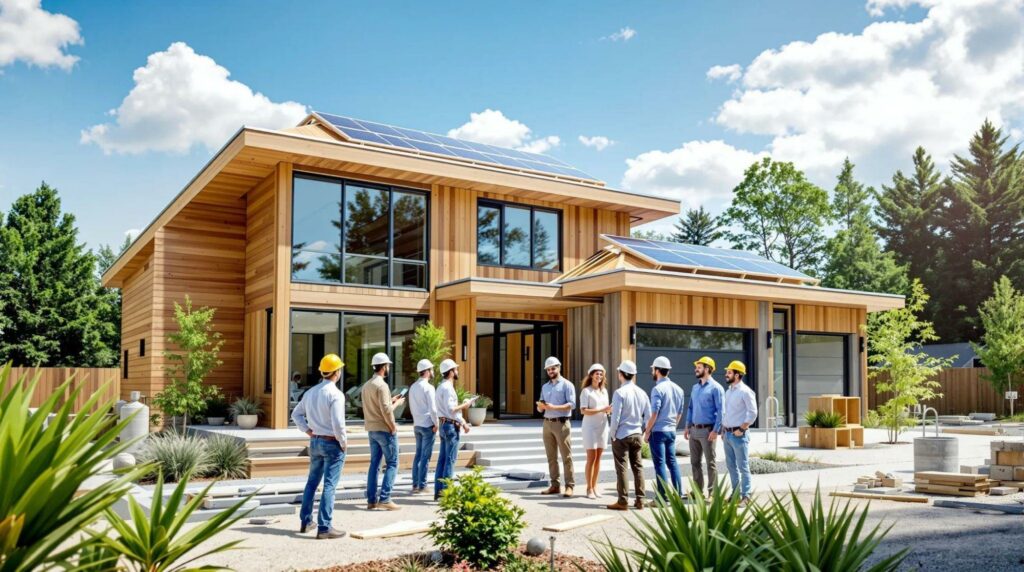
Sustainable Living Builders: Building a Greener Tomorrow
Let’s face it, if we’re not careful, our planet might just throw a tantrum worthy of a toddler in a candy store. That’s where sustainable living builders come into play. These modern-day heroes are crafting homes that don’t just shelter us: they protect our planet. Join us as we explore the importance of sustainable living and how we can all be a part of the solution, one eco-friendly brick at a time.
The Importance of Sustainable Living
Sustainable living isn’t just a buzzword: it’s a crucial pathway to preserving our planet for future generations. By making eco-conscious choices now, we can reduce waste, lower our carbon footprint, and eventually create a healthier environment. Think of it this way: if we were all good stewards of the Earth, our grandchildren wouldn’t need to make powerpoints on why recycling is important. Instead, they could focus on their next moon landing. It’s all about creating a lasting legacy of sustainability.
Key Principles of Sustainable Building
At the core of sustainable building lies a few key principles that guide us in this green journey. First, it’s essential to prioritize resource efficiency. This means using materials that have a lower impact on our planet and can be reused or recycled. Second, we must consider energy efficiency. Designing structures that use less energy or harness renewable energy sources, like solar and wind, can significantly cut down our utility bills and environmental impact. Finally, let’s not forget about improving indoor air quality through better materials and ventilation. Who doesn’t want to breathe easier in their own home?
Innovative Materials for Eco-Friendly Construction
When it comes to sustainable living builders, the materials we use play a critical role. Innovative materials like bamboo, reclaimed wood, and recycled steel are becoming the stars of eco-friendly construction. Bamboo, for instance, grows rapidly and has incredible strength. Talk about a supermaterial. Then there are recycled materials, think of it as giving a second life to items that would otherwise clutter a landfill. These smart choices help in reducing waste and minimizing our ecological footprint.
Design Strategies for Sustainable Homes
Designing a sustainable home is like crafting a delicious recipe, you need the right ingredients in the right amounts. Orientation matters. By strategically placing windows and using natural light, we can minimize the need for artificial lighting. Incorporating green roofs or walls can provide insulation and help manage stormwater, making us feel like we’re living in a verdant oasis rather than a concrete jungle. Also, utilizing open floor plans can encourage natural ventilation, letting fresh air flow effortlessly. It’s all about harmonizing with nature.
Challenges Facing Sustainable Builders
Even though our best intentions, sustainable builders face various challenges. One major hurdle is the initial cost of sustainable materials and technology. While many green solutions pay off in the long run, the upfront investment can be a tough pill to swallow. Also, there can be a lack of awareness and education surrounding sustainable practices among builders and consumers. After all, not everyone is as deeply obsessed with eco-friendly living as we are. Finally, navigating regulations can feel like running a marathon, slow and with many unexpected obstacles. But hey, we’re in it for the long haul.
Future Trends in Sustainable Living Construction
Looking ahead, we see a promising horizon for sustainable living construction. Trends such as prefabricated homes are gaining traction, allowing for quicker assembly and reduced waste. Smart technology is playing a pivotal role too, with devices that let us monitor energy consumption and even control our heating remotely. We can expect to see an emphasis on circular economy practices, where materials are designed to be reused, effectively minimizing waste and promoting sustainability. The future is bright, and green.