
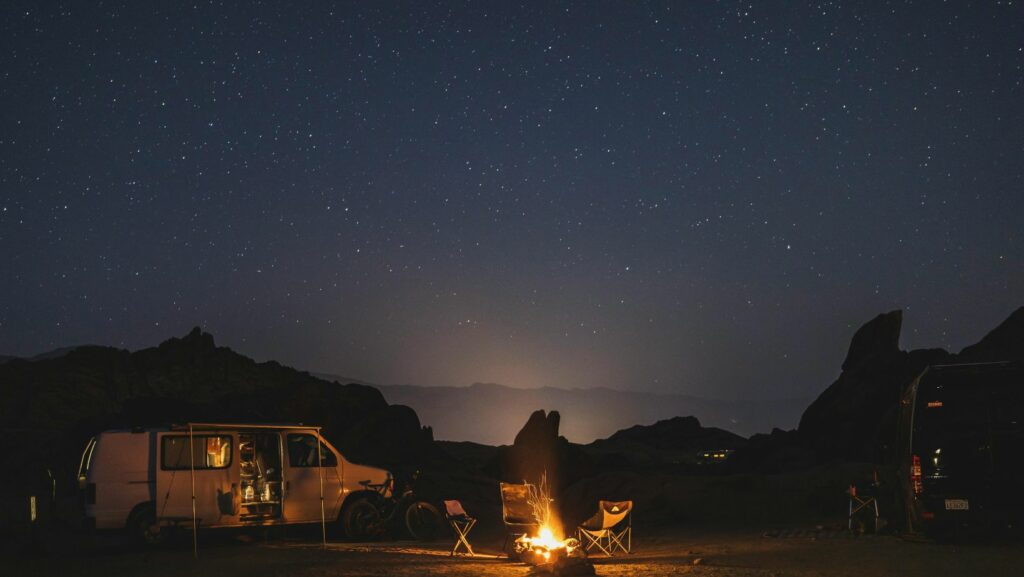
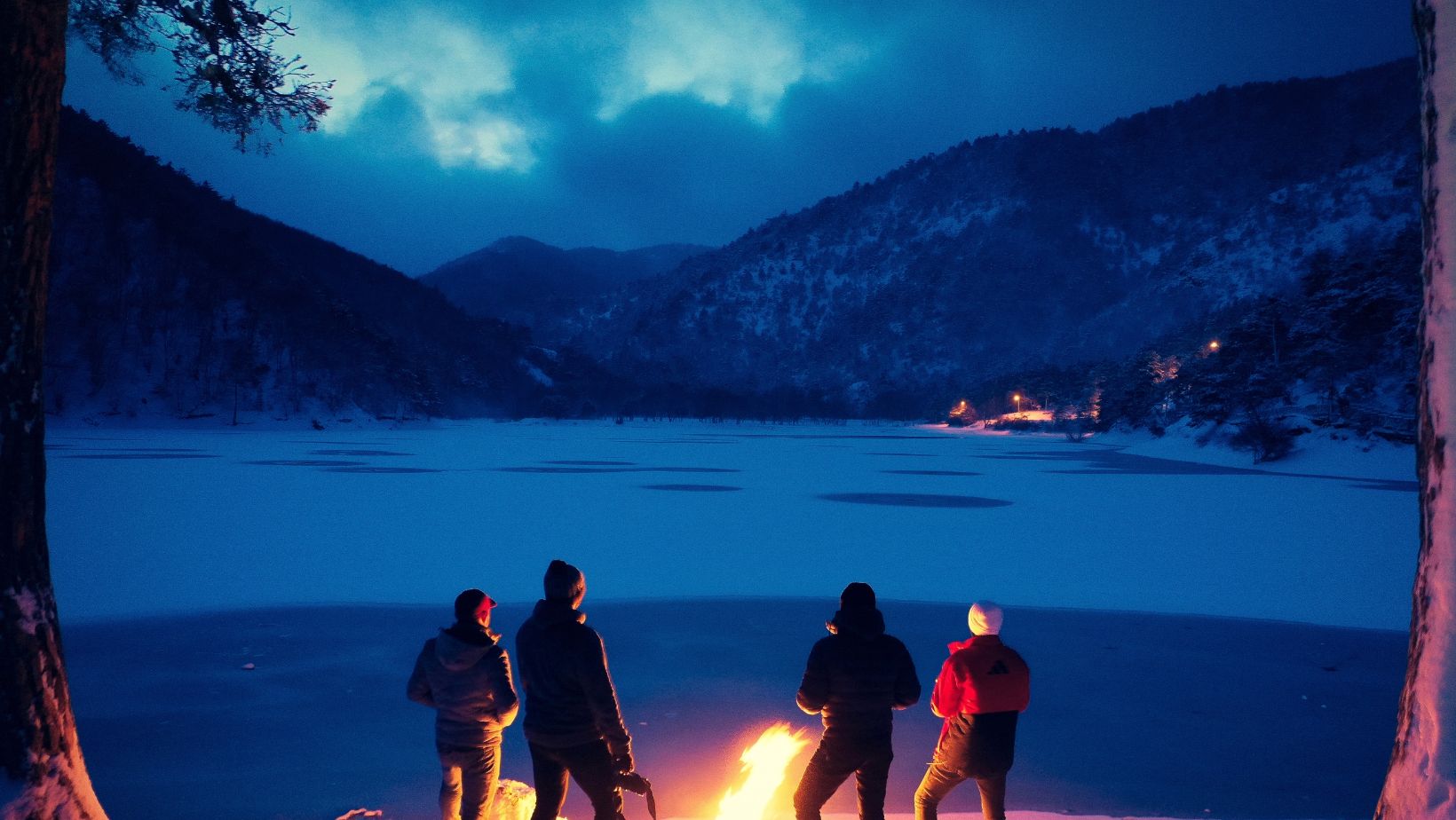
So you’ve been camping in the summer and loved it, and now you’re thinking about trying it when the weather gets cold. Smart move—winter camping is awesome. But here’s what a lot of people don’t realize: you can’t just take your summer gear and hope for the best. Some of your equipment needs a complete swap, while other stuff just needs a few tweaks. Let’s walk through what actually needs to change so you can stay warm, safe, and happy when temperatures drop.
Your Sleeping Bag Needs a Serious Upgrade
That lightweight sleeping bag you used in July? Yeah, it’s not going to cut it. Temperature ratings on sleeping bags matter way more in cold weather than most people think. If your summer bag is rated for 40 degrees and you’re heading out in 20-degree weather, you’re going to have a miserable night.
Cold-weather sleeping bags use different insulation materials that trap more heat without adding crazy amounts of weight. Look for bags rated at least 10-15 degrees lower than the coldest temperature you expect. If weather forecasts say it’ll be 25 degrees at night, get a bag rated for 10 or 15 degrees. This gives you a buffer in case it gets colder than expected or you’re someone who sleeps cold.
Down insulation is lighter and packs smaller, but synthetic fill works better if it gets wet. Pick based on where you’re camping. If you’re in a dry, cold area, down is great. If there’s any chance of moisture, synthetic saves the day.
The Ground Will Steal Your Heat—Upgrade Your Pad
You know that thin foam pad or basic inflatable mattress you use in summer? Time to upgrade. In cold weather, the ground beneath you is basically a giant heat sink, sucking warmth right out of your body all night long. Your sleeping bag gets compressed under your weight, losing its insulation power on the bottom. That’s where your sleeping pad comes in.
Look for pads with an R-value of 4 or higher. The R-value measures how well the pad blocks cold from the ground. Summer pads usually have an R-value around 1 or 2. That’s fine when the ground is warm. In winter, you need serious insulation between you and the frozen earth. Some people even stack two pads for extra protection. It sounds excessive until you spend one night shivering because the cold came through the bottom.
Your Tent Needs to Handle Wind and Snow
Summer tents are built for ventilation and keeping bugs out. They’re light, breezy, and perfect for warm nights. But when snow starts falling or wind starts howling, those mesh panels and minimal stakes aren’t going to help you.
A four-season tent is built differently. The fabric is heavier and tougher. The poles are stronger. The shape is designed to shed snow instead of collecting it on top. These tents have fewer mesh panels and better weatherproofing. Yes, they weigh more than your summer tent, but that extra weight means you’ll actually sleep instead of lying awake, worried your tent is about to blow away or collapse.
If you already have a three-season tent and don’t want to buy a new one, you can sometimes make it work by adding extra stakes, bringing a tarp for wind protection, and being really careful about site selection. But a proper four-season tent makes life so much easier.
Switch to Cold-Weather Clothing—Layers Are Everything
Your shorts and t-shirts obviously aren’t coming along. But it’s not just about bringing warmer clothes—it’s about bringing the right kind of warm clothes. Cotton is your enemy in cold weather. When cotton gets wet from sweat or snow, it stays wet and makes you cold. That’s a recipe for hypothermia.
Switch to base layers made from merino wool or synthetic materials. These fabrics wick moisture away from your skin and dry fast. Your mid-layers should be fleece or synthetic insulation that you can add or remove as needed. Your outer layer needs to be waterproof and windproof without being so heavy that you can barely move.
If you’re bringing kids, their clothing needs even more attention. Children lose heat faster than adults, and they’re not always great at telling you when they’re cold until it’s really bad. Their extremities need serious protection. Good quality children’s merino wool socks are worth every penny. Merino wool keeps feet warm even when damp, and it doesn’t get stinky the way regular socks do. Pack extra pairs for kids because little feet get wet more often than you’d think.
Don’t forget about exposed skin either — wind and freezing air can dry it fast. A thin layer of a protective balm with ceramides and occlusives, like those found in Elire skincare, helps maintain your skin barrier in cold, dry weather without feeling greasy.
Your Stove Might Stop Working—Choose the Right Fuel
This is one people forget about until they’re trying to make coffee in the morning and their stove won’t light. Different types of camping stoves use different fuels, and some fuels just don’t work well in cold temperatures.
Canister stoves that use isobutane-propane mix start having problems around freezing. The pressure drops, the fuel doesn’t vaporize properly, and you end up with a weak flame or no flame at all. Some winter-specific canister blends work better, but they’re not always reliable.
Liquid fuel stoves that run on white gas work great in cold weather. They’re more reliable when temperatures drop, though they’re a bit heavier and require more maintenance. If you’re serious about winter camping, switching to a liquid fuel stove is one of the smartest moves you can make.
Protect Your Electronics From Battery Drain
Your phone, GPS, headlamp, and any other battery-powered devices are going to die way faster in the cold. Batteries lose charge when temperatures drop—it’s just chemistry. That phone that usually lasts all day might be dead by lunchtime if you leave it in your pocket in freezing weather.
Keep electronics close to your body to keep them warm. At night, bring them into your sleeping bag. Your power bank should sleep with you, too, or it’ll be useless in the morning. If you rely on your phone for navigation or emergencies, this isn’t optional.
For your phone, get a case that offers real protection. Ghostek makes rugged cases that protect against drops and impacts, which matters more when you’re dealing with cold, stiff fingers and icy conditions. A cracked screen in the backcountry is more than an inconvenience—it could be a safety issue.
Water Bottles and Hydration Systems Need Rethinking
Your summer hydration bladder with the long drinking tube is going to freeze solid in cold weather. That tube running along your shoulder is exposed to air, and water freezes fast. You’ll be sucking on ice before you know it.
Switch to wide-mouth water bottles instead. Keep them upside down so if ice forms, it’s at the bottom and doesn’t block the opening. Some people bring insulated bottles or bottle parkas. At night, bring your water bottles into your sleeping bag or they’ll be frozen by morning. Warm water in bottles can also act like hot water bottles to keep you warm.
Your Footwear Makes or Breaks Your Trip
Summer hiking boots aren’t insulated. They’re meant to be breathable and light. In winter, you need boots with insulation, waterproofing, and better traction. Look for boots rated for cold weather with at least 200 grams of insulation, more if you’re going somewhere really cold or you tend to have cold feet.
The traction pattern on winter boots is different too. You want deeper lugs that can bite into snow and ice. Gaiters are smart to bring—they keep snow from getting into your boots and soaking your socks. Wet feet in cold weather can lead to frostbite, and that’s not something you want to mess around with.
Food Choices Need to Change Too
You can bring fresh vegetables and light snacks in summer. In winter, you need food that won’t freeze solid and that packs serious calories. Your body burns way more energy staying warm, so you need fuel that delivers.
Nut butters, nuts, dried fruits, chocolate, cheese, and dense energy bars all work great. They don’t freeze into bricks, and they give you lots of calories in small packages. For meals, dehydrated options are perfect because they’re light and you just add hot water. Speaking of hot—bringing ingredients for hot drinks isn’t optional. Coffee, tea, hot chocolate, or soup keeps your spirits up when it’s really cold outside.
Lighting Changes With Shorter Days
Winter days are short. The sun sets early, and you’re going to spend a lot more time in the dark than you would in summer. Your little keychain light isn’t going to cut it.
Get a good headlamp with strong batteries. Bring spare batteries, and keep them warm because cold kills battery life. Some people bring a small lantern for the tent too. Being able to see what you’re doing when you’re cold and tired makes everything easier.
Making the Switch is Worth It
Look, switching gear for cold weather camping costs money and takes planning. You can’t just grab your summer pack and go. But once you’ve got the right equipment, winter camping opens up a whole new world. The trails are empty. The views are stunning. Everything feels more peaceful and wild.
You don’t have to buy everything at once. Start with the big stuff—sleeping bag, pad, and clothing. Rent or borrow a four-season tent for your first trip. Test everything in your backyard before you head out. Learn what works for you.
Cold weather camping isn’t about suffering. It’s about having the right gear so you can be comfortable and safe while enjoying nature at its most beautiful. Make the switches that matter, pack smart, and you’ll wonder why you waited so long to try it.