
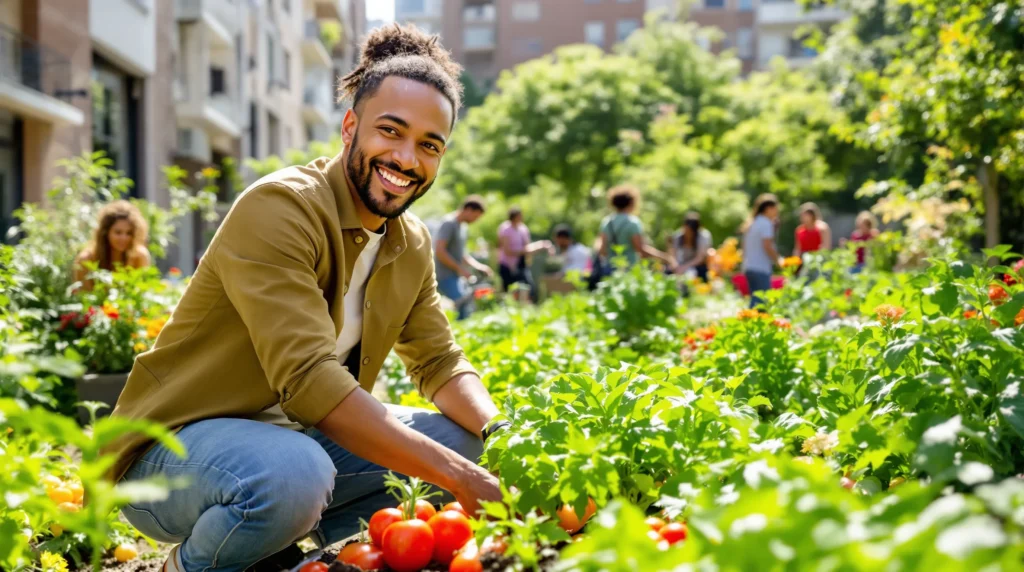
Picture this: You step onto your apartment balcony, coffee in hand, and instead of concrete and car horns, you’re greeted by a riot of green—tomatoes ripening, bees buzzing, basil leaves begging to be pinched. That’s the magic of urban gardening. The benefits of urban gardening aren’t just about pretty plants. They’re about changing how we live, breathe, and even connect with each other in the city.
Why Urban Gardening Matters More Than Ever
Let’s be honest. City life can feel like a never-ending loop of noise, stress, and screens. If you’ve ever felt boxed in by gray walls or missed the smell of fresh earth, you’re not alone. Urban gardening offers a way out—a patch of green in the middle of the chaos. But the benefits of urban gardening go way beyond aesthetics. Here’s why.
Health Benefits of Urban Gardening
Fresh Food, Right Outside Your Door
Ever tasted a tomato still warm from the sun? Store-bought can’t compete. Urban gardening lets you grow your own food, even if you only have a windowsill or rooftop. Studies show that people who garden eat more fruits and vegetables. That means more vitamins, fewer preservatives, and a real sense of pride when you bite into something you grew yourself.
Physical and Mental Wellness
Digging, planting, and watering aren’t just chores—they’re exercise. Even 30 minutes of gardening can burn calories and lower blood pressure. But the real surprise? The mental boost. Gardening reduces stress, anxiety, and depression. There’s something about getting your hands dirty and watching things grow that calms the mind. If you’ve ever felt overwhelmed, try pulling weeds for ten minutes. It’s oddly satisfying.
Environmental Benefits of Urban Gardening
Cleaner Air, Cooler Cities
Cities trap heat. Asphalt and buildings soak up the sun, making summer unbearable. Urban gardens help cool things down. Plants absorb carbon dioxide and release oxygen, cleaning the air. A rooftop covered in greenery can be up to 40 degrees cooler than bare concrete. That’s not just good for you—it’s good for your neighbors, too.
Supporting Urban Wildlife
Bees, butterflies, and birds struggle to survive in cities. Urban gardens give them a lifeline. Even a few pots of flowers can attract pollinators. If you’ve ever watched a hummingbird hover over your balcony, you know how magical that feels. The benefits of urban gardening ripple out to the whole ecosystem—one flower at a time.
Social and Community Benefits
Building Connections
Here’s the part nobody tells you: Urban gardening isn’t just about plants. It’s about people. Community gardens bring neighbors together. You swap seeds, share tips, and maybe even argue over the best way to grow cucumbers. These small interactions build trust and friendship. In a world where we’re all glued to our phones, that matters.
Food Security and Equity
Not everyone in the city has easy access to fresh produce. Urban gardening can help close that gap. Community gardens often donate food to local pantries or let members take home what they grow. If you’ve ever worried about where your next meal is coming from, a garden can be a lifeline. The benefits of urban gardening reach the most vulnerable among us.
Economic Benefits of Urban Gardening
Saving Money
Let’s break it down. Seeds are cheap. A packet of lettuce seeds costs less than a fancy coffee and can feed you for weeks. Herbs like basil and mint grow fast and cost a fortune at the store. By growing your own, you cut grocery bills and waste less food. If you’re on a budget, urban gardening pays off—literally.
Creating Green Jobs
Urban gardening isn’t just a hobby. It’s a growing industry. From rooftop farms to landscaping businesses, green jobs are popping up everywhere. If you’re looking for work that feels meaningful, this field offers real opportunities. The benefits of urban gardening include new careers and skills you can take anywhere.
Personal Growth and Discovery
Learning from Mistakes
Here’s a secret: Every gardener kills a plant or two. Or ten. I once drowned a cactus. But every failure teaches you something. You learn patience, resilience, and how to laugh at yourself. The benefits of urban gardening aren’t just about what you grow—they’re about who you become along the way.
Creativity and Joy
Designing a tiny garden in a shoebox apartment takes creativity. You experiment with containers, try new seeds, and celebrate every sprout. There’s joy in watching something thrive because of your care. If you’ve ever felt stuck or uninspired, a garden can spark new ideas and energy.
Who Should Try Urban Gardening?
If you crave fresh food, want to save money, or just need a break from city stress, urban gardening is for you. If you hate dirt or can’t stand bugs, it might not be your thing—and that’s okay. But if you’re curious, start small. A pot of herbs on your windowsill is enough to get hooked.
Actionable Tips to Get Started
- Start with easy plants: lettuce, radishes, or herbs like basil and mint
- Use containers if you don’t have ground space—old buckets work fine
- Join a local community garden or online group for support
- Water in the morning to avoid mold and pests
- Don’t stress about perfection—every gardener makes mistakes
Final Thoughts: The Real Benefits of Urban Gardening
Urban gardening isn’t just a trend. It’s a way to reclaim a bit of nature, improve your health, and connect with others. The benefits of urban gardening touch every part of city life—from the air you breathe to the food on your plate. If you’ve ever wondered whether it’s worth the effort, trust me: The first time you eat a salad you grew yourself, you’ll know the answer.