
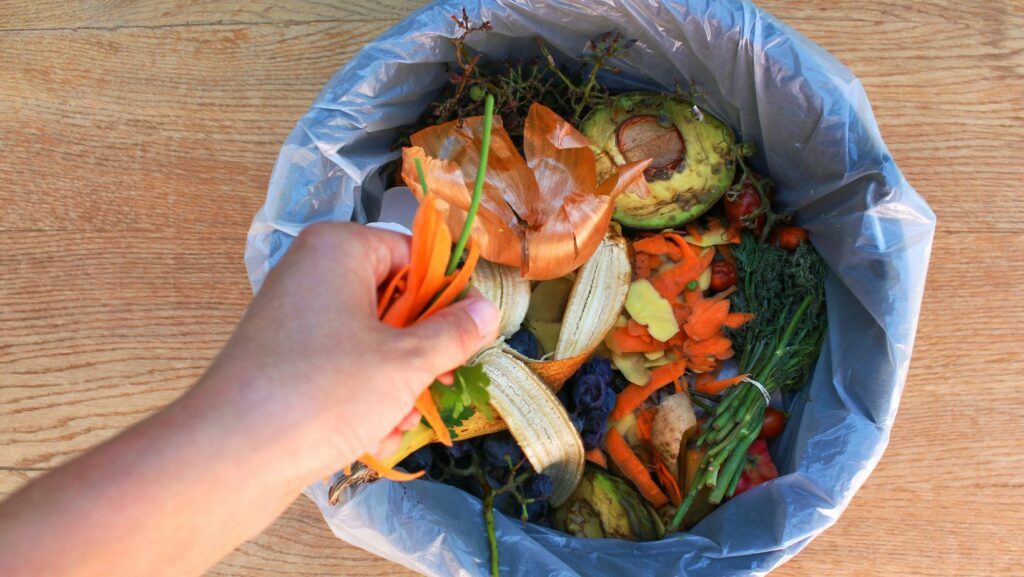
Recent data suggests that up to 40% of food is lost or wasted along the value chain; at the same time, nearly 1 in 3 people face some level of food insecurity.
To address this crisis, the entire supply chain must act. This is especially true for B2B businesses that generate large amounts of food waste, such as food distributors, ingredient suppliers, and food processing companies.
In fact, we’ll go as far as to say that all food businesses should hold themselves accountable for reducing waste, which can be reflected in their ESG commitments.
So why should food waste reduction be a top priority for businesses today?
Let’s take a closer look.
The ESG Landscape and Why It Matters for Food Businesses
ESG (Environmental, Social, and Governance) refers to a set of criteria used to measure a business’ sustainability practices, social responsibility, and ethical management. In B2B markets, ESG has moved from being a “nice-to-have” to a business imperative, as investors, regulators, and customers increasingly scrutinize performance in these areas.
For food businesses, the pressure is even greater. Why?
Because production line waste, strict cosmetic standards, overproduction, and poor handling practices (among many other reasons) all contribute to food waste.
As a highly resource-intensive industry, companies that handle food face mounting pressure to minimize waste, with expectations driven not only by consumers but also by evolving legal and regulatory standards. This growing pressure underscores the need for proactive strategies that ensure compliance while also strengthening long-term sustainability.
Environmental Impact of Food Waste
Understanding the environmental impact of food waste can be a strong motivator for companies to start making real changes to reduce it.
So how does food waste affect the environment?
Several ways:
- Resource depletion: Producing food that’s never eaten still requires enormous amounts of land, water, and energy. Over one-third of the food produced in the United States is never eaten, and each year this waste consumes enough water and energy to power more than 50 million homes while requiring an area of farmland equal to the combined size of California and New York.
- Methane emissions: Methane, a powerful greenhouse gas, is released when food waste decomposes in landfills. In the U.S., municipal solid waste landfills are the third-largest source of methane emissions from human activities, with food waste alone generating greenhouse gases equal to the annual emissions of 15 coal-fired power plants (or the energy use of 7 million homes).
- Air and water pollution: Beyond the emissions from landfills, food waste also contributes to pollution during the production and distribution of food that never gets eaten. This includes the carbon footprint of transporting goods, the soil degradation caused by over-farming, and the agricultural runoff filled with chemical fertilizers.
Your Company’s Social Responsibility
Reducing food waste isn’t only beneficial for the environment; it’s also a social responsibility. In the United States alone, 47 million people face food insecurity, and more than 50 million people turn to food banks and pantries for help.
That said, companies have an opportunity to make a real difference in their community by donating surplus products. This includes packaged goods, fresh produce, dairy products, baked goods, frozen foods, and even prepared meals that are safe but unsellable due to oversupply or cosmetic standards.
Partnering with nonprofits, food banks, and redistribution networks facilitates this entire process, allowing companies to donate surplus food with minimal effort.
And while giving back to your community is a reward on its own, it also strengthens your brand’s image by showing social responsibility—a win-win for both you and your community.
How Reducing Food Waste Helps You Stay Compliant
The U.S. set a goal to cut food loss and waste in half by the year 2030. Since then, an increasing number of businesses, nonprofits, and government initiatives have been working together to drive progress toward that target.
Since many new laws are introduced at the state level, companies must stay aware of applicable regulations to remain compliant. For instance, California requires certain businesses to donate edible food to food recovery organizations, while Massachusetts restricts certain businesses and institutions from disposing of commercial organic waste.
That said, companies that reduce food waste, donate surplus food, partner with a sustainable waste management company, and stay up to date with local food waste laws can ensure compliance and minimize risks.
<H2> The Competitive Advantage of Cutting Food Waste
Did you know that reducing waste can also help your business stand out in a competitive marketplace?
Yep, you heard that right. The benefits of reducing food waste are far-reaching:
- Improves your brand reputation: Consumers care increasingly about buying environmentally and ethically sustainable products, and strong ESG performance reinforces that trust. By reducing waste and becoming a leader in sustainability, you can appeal to environmentally conscious consumers, thereby supporting long-term growth.
- Cost savings: Reducing waste can actually save you money. By streamlining internal processes, conserving resources, and cutting landfill fees, you can improve efficiency while boosting your bottom line.
- Stronger investor appeals and financing opportunities: Investors are increasingly prioritizing ESG performance when making decisions. Demonstrating measurable waste reduction not only attracts capital but can also improve financing terms and open doors to new partnerships.
- Enhanced compliance: Food waste laws are getting stricter by the day. Companies that prioritize compliance can avoid penalties, reduce legal risks, and position themselves as responsible leaders in their industry.
Strategies & Most Practices for B2B Food Businesses
It should be clear by now: Reducing food waste is key to staying competitive and building a more sustainable business.

Now, it’s time to look at strategies that your company can implement to strengthen its ESG performance.
- Perform a food waste audit: Food waste audits help companies identify the type and amount of waste they’re generating and uncover inefficiencies in their operations. With this information, you can create more targeted reduction strategies and track progress toward waste reduction goals.
- Adopt new technologies: Tools like smart inventory systems, AI-driven demand forecasting, and improved storage solutions help businesses cut down on waste. These technologies make it easier to streamline operations, prevent overproduction, and stay on track with waste reduction goals.
- Donate surplus food: When you have safe products you can’t sell, donating them to food banks or local nonprofits is one of the most effective options, as it keeps good food out of landfills and puts it into the hands of people who need it.
- Train employees: Don’t underestimate the importance of training your team. By training staff and weaving ESG goals into daily practices, companies can build a culture where every employee plays a role in cutting waste and driving sustainability.
- Partner with a waste management company: As a B2B food business, waste is unavoidable. Prevention is always a priority, but it’s equally important to have a plan for responsibly managing the food waste that does occur. By partnering with an organic waste management company, your business can choose from solutions like composting and anaerobic digestion to reduce landfill dependence.
Final Thoughts
Food waste is a huge concern in the United States, as well as around the world. With B2B food companies generating such large quantities of waste across the supply chain, their role in driving meaningful reduction is especially critical.
By preventing waste at the source and adopting solutions like food donations and composting, businesses can reduce their environmental footprint while appealing to environmentally conscious consumers.
So, ask yourself: Should food waste reduction be part of your ESG targets? What steps should you take to achieve those goals?